
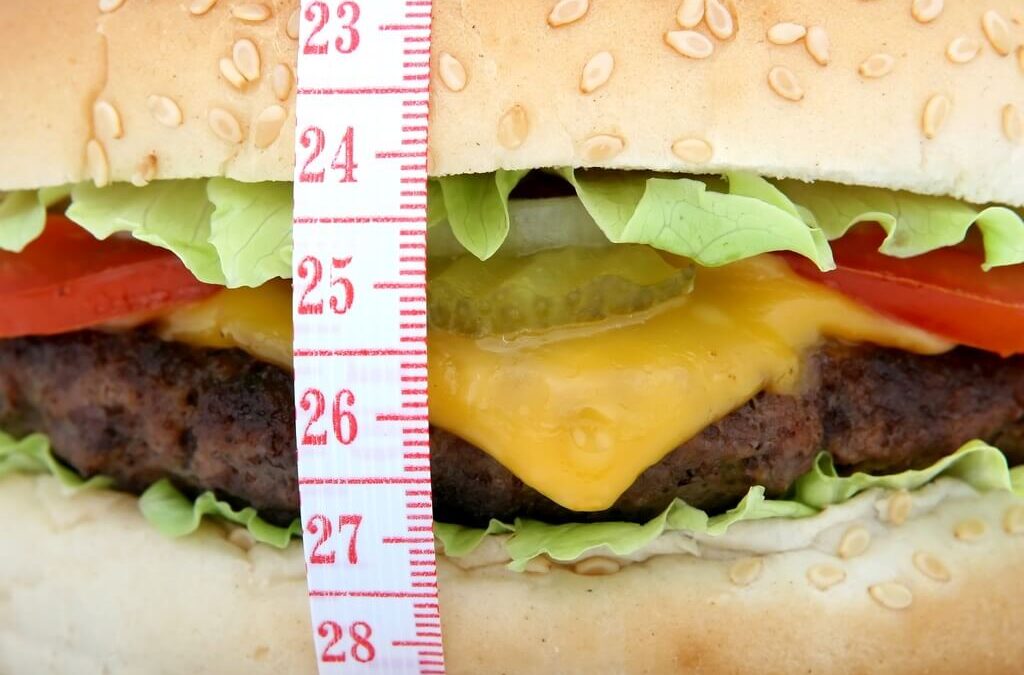
Eating the right amount of carbohydrates is essential for weight loss, as it keeps your metabolism running at an optimal level and ensures you aren’t feeling overly deprived. If you’re trying to lose weight and limit carbs, there are several things to consider before making any drastic changes.
But have you ever asked yourself this question, “how many carbs should I eat daily to lose weight?” If you’re looking for answers, you’ve come to the right place. Read more as we’ll discuss this topic in today’s post.
Low Carb Diets
Popular low carb diets such as the ketogenic diet or the Atkins Diet have been studied extensively, and both show promising results for weight loss. A typical ketogenic diet limits carbohydrate intake to around 50g per day or less, which can be difficult for some people. On the other hand, a low-carb approach like Atkins emphasizes healthy fats and proteins while still allowing slightly more room for carbs than other plans – up to 150g per day.
Recommended Daily Carb Intake
The Dietary Guidelines for Americans recommends that 45%-65% of your total daily calories should come from carbohydrates. Based on a 2,000-calorie diet, that would translate to between 225g and 325g of carbohydrates each day. However, there is no one-size-fits-all approach when it comes to carb intake; everyone’s needs are different and will depend on activity level, body type, age and health conditions such as diabetes.
Factors to Consider
When calculating your daily carb needs remember that not all carbs are equal – even within the same food group like grains and starchy vegetables – meaning some of them may offer more nutrition than others. Additionally, factors like GI (glycemic index) also play a role in how quickly you digest foods; higher GI foods can cause spikes in blood sugar levels leading to cravings and hunger soon after eating. So instead of focusing solely on quantity, make sure quality is taken into consideration too!
Quality Over Quantity
When choosing carbs think about adding nutrient-dense ones like sweet potatoes or brown rice instead of processed white bread or sugary cereals; their high fiber content helps keep you feeling full longer which helps cut down on mindless snacking throughout the day! Additionally try swapping out larger portions of refined grains with smaller amounts of whole grains such as quinoa or millet – they might take longer to prepare but they provide extra vitamins and minerals plus they give us long lasting energy so we don’t crash mid-day. Also don’t forget legumes – they’re packed with vitamins B6 & B12 along with folate & iron too!
Don’t Forget Fruits & Vegetables
Fruits & vegetables are also rich sources of carbohydrates but they’re often overlooked when counting macros; these foods provide valuable fiber & antioxidants that help support immune health which makes them important for overall wellbeing as well. Plus, if you make room for naturally sweet fruits like apples or pineapple, it can help curb sugar cravings later in the day so you don’t feel tempted by unhealthy snacks.
As for vegetables, here are some veggies you need to eat:
- Broccoli – This is a nutritious and delicious vegetable that can be easily incorporated into any balanced meal plan. It’s packed with fiber, vitamins A, C and K, calcium, potassium and folate making it an excellent source of nutrition. Broccoli also contains powerful antioxidants which help to reduce inflammation in the body, improve digestion and keep your immune system healthy. Additionally eating broccoli regularly may help lower cholesterol levels, protect against certain cancers and reduce the risk of heart disease. It’s also low in calories – just one cup of cooked broccoli provides only 31 calories – making it perfect for those trying to lose weight or maintain a healthy weight.
- Spinach – This is one of the most nutritious vegetables you can eat. It’s packed with vitamins and minerals such as Vitamin A, Vitamin C, iron, calcium and potassium. Eating spinach regularly can help increase your intake of essential nutrients like folate which is important for pregnant women or those trying to conceive as it helps reduce the risk of birth defects in newborn infants. It also contains lutein which helps protect your eyes from damage caused by sunlight or age-related macular degeneration (AMD). Spinach also has a high fiber content helping promote digestive health and its low calorie count makes it an ideal choice for weight loss diets.
- Kale – This is a powerhouse of nutrition, packed with vitamins A, C and K as well as minerals like calcium and iron. Eating kale regularly can help improve bone health due to its high calcium content, reduce the risk of certain cancers thanks to its antioxidant properties, promote heart health by lowering LDL cholesterol levels and even aid weight loss because it’s low in calories but provides plenty of fiber. It also contains several carotenoids – including lutein & zeaxanthin – which are important for eye health and can help protect against age-related macular degeneration (AMD). Kale is also full of antioxidants that fight inflammation in the body while supporting immune system health too.
Conclusion
Overall, how many carbs you eat each day will depend on your lifestyle & weight loss goals but including more whole grains & fruits & veggies in place of refined ones can definitely make all the difference when it comes to staying full + fueled throughout your day.